Reclaiming the Wheel After Stroke
Updated: Jul 18, 2025
Regaining the ability to drive after a stroke is more than just a return to mobility—it’s about reclaiming independence, sustaining health, and rediscovering life’s possibilities. For many stroke survivors, driving represents personal freedom, the ability to fulfill daily roles, and the comfort of maintaining a sense of normalcy. Yet, the road to driving again after a stroke can seem daunting, with obstacles ranging from physical challenges to cognitive hurdles.
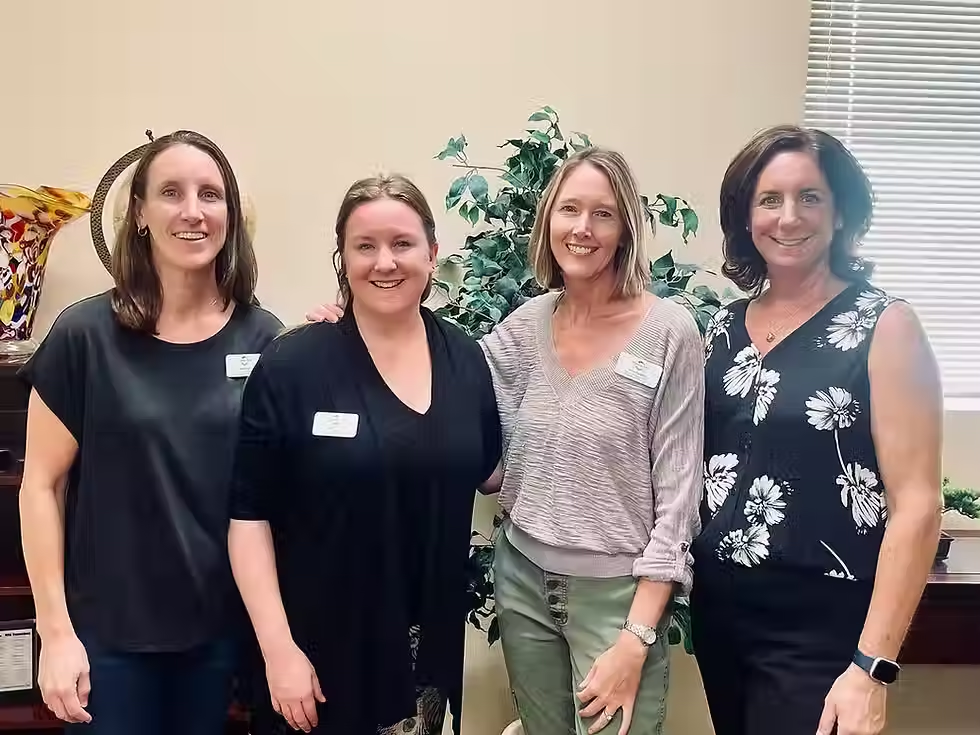
This blog will explore how stroke survivors and caregivers can work together to overcome these challenges and adapt to new driving realities. We’ll also spotlight the dedicated professionals and innovative programs that make this possible, celebrating the expertise, compassion, and holistic approach of teams like Health Promotion Partners and their inspirational instructors.
The Importance of Driving for Health and Independence
Driving is much more than a convenience—it’s a lifeline. For stroke survivors, being able to drive again, or find adaptations that allow them to, can mean the difference between staying connected to healthcare, community, and loved ones or facing isolation. Research shows that losing the ability to drive is linked to poorer health outcomes, higher rates of depression, and decreased access to medical care. Without driving, everyday tasks—such as grocery shopping, attending appointments, and visiting friends—become significant challenges.
For caregivers, the importance of driving extends beyond their loved one’s mobility. It offers peace of mind, knowing that the survivor can regain some degree of independence while staying safe. It often means a reduced caregiving burden as well.
Understanding why driving matters so much provides the motivation to tackle the challenges stroke may present. And that’s where the right team and resources come in.
Challenges Stroke Survivors Face Behind the Wheel
After a stroke, the body and mind may experience significant changes that impact driving. These challenges typically fall into three categories—physical, visual, and cognitive limitations.
Physical Limitations
Stroke survivors may encounter:
Hemiplegia or weakness on one side of the body, making it difficult to grip the wheel or manage pedals.
Coordination Issues, which can hinder tasks like turning, braking, or parking.
Decreased Range of Motion, which may cause trouble with steering or checking blind spots.
Slower Reaction Time, affecting the ability to respond quickly to hazards.
Adaptive tools such as steering knobs, left-foot accelerators, or seat belt extenders can provide solutions tailored to each individual’s needs.
Visual Limitations
Stroke survivors might face:
Hemianopsia (Loss of Half the Visual Field), which can make it hard to see obstacles or road signs.
Left Neglect, where one side of the visual field is ignored.
Diplopia (Double Vision), which impacts depth perception and clarity.
A general decrease in visual sharpness or perception, even if basic DMV vision standards are met.
Visual rehabilitation strategies and specialized equipment, such as prism glasses, can help address these limitations to give survivors confidence behind the wheel.
Cognitive Limitations
Driving requires complex cognitive processes, and stroke survivors may struggle with:
Memory Deficits, making it difficult to recall routes or navigation instructions.
Decreased Attention and Concentration, resulting in slower decision-making during high-pressure situations.
Limited Insight, which could prevent someone from realizing the extent of their challenges.
Reduced Processing Speed, affecting the ability to respond to changing road conditions.
Cognitive therapy and practice through simulated driving environments can help retrain these skills, often leading to gradual improvement.
Resources to Empower Stroke Survivors
Fortunately, many tools, programs, and professionals exist to empower stroke survivors and caregivers on their driving journeys.
Medical Fitness to Drive Evaluations
A first step for many is a comprehensive driving evaluation. Conducted by experts, the evaluation typically includes:
Clinical Assessments, focusing on visual function, motor skills, reaction time, and cognition.
Behind-the-Wheel Testing, which starts in low-stress environments and gradually increases in complexity.
The goal is to determine whether a survivor is ready to return to driving, needs restrictions, or is better suited for alternatives.
Adaptations with Technology
Modern vehicles come equipped with advanced driver assistance systems (ADAS), such as:
Backup cameras.
Blind-spot monitoring.
Lane-departure warning systems.
These technologies can significantly bolster a stroke survivor's confidence and safety while driving.
Emotional and Psychological Support
Programs like those offered by Health Promotion Partners also consider mental and emotional health critical to driving readiness. Driving often involves stress management, frustration tolerance, and overcoming fears of getting lost or having mechanical issues. Certified psychologists, like the one mentioned during Health Promotion Partners’ session, provide emotional support and coping strategies tailored to such challenges. This holistic approach ensures no aspect of recovery is overlooked.
Expert Support and Education
One of the most impactful components of stroke driving programs is the guidance from experienced professionals. The instructors and rehab teams at organizations like Health Promotion Partners stand out for their knowledge, compassion, and commitment. During a recent session, attendees remarked on the instructor’s ability to demystify complex topics, address individual concerns, and inspire confidence. The team's dedication, combined with research-led practices, helps survivors and caregivers feel supported every step of the way.
Real Stories of Inspiration
One stroke survivor shared how, after years of fearing they’d never drive again, they worked with their team to overcome both physical and cognitive limitations. By using adaptive tools like hand controls and participating in weekly sessions with their specialist, they gradually returned to the road. The joy of reclaiming their independence was immeasurable, and it rekindled hope for other aspects of recovery.
These success stories demonstrate that with the right support, recovery is possible—even in complex cases.
A Call-to-Action for Stroke Survivors and Caregivers
If you or a loved one has been impacted by a stroke and are considering the prospect of driving again, know that help is available. At Health Promotion Partners, our expert team, specialized programs, and advanced resources are here to guide you.
Take the Following Next Steps:
Schedule a Consultation - Start with a conversation about your specific needs and goals.
Learn About Driving Evaluations - Explore clinical and on-the-road testing to assess fitness for driving.
Discover Adaptive Equipment - Find tools to help you overcome specific challenges.
Join Support Programs - Take advantage of holistic services, including stroke education and caregiver training.
Driving is so much more than simply getting from point A to point B—it’s about regaining independence, staying connected, and thriving. Contact us today by calling 719-231-6657 or
to learn more about programs designed specifically for you.
Together, we can help you reclaim the wheel and rediscover freedom.


Comments